
) (7).png)
 Favorite (0)
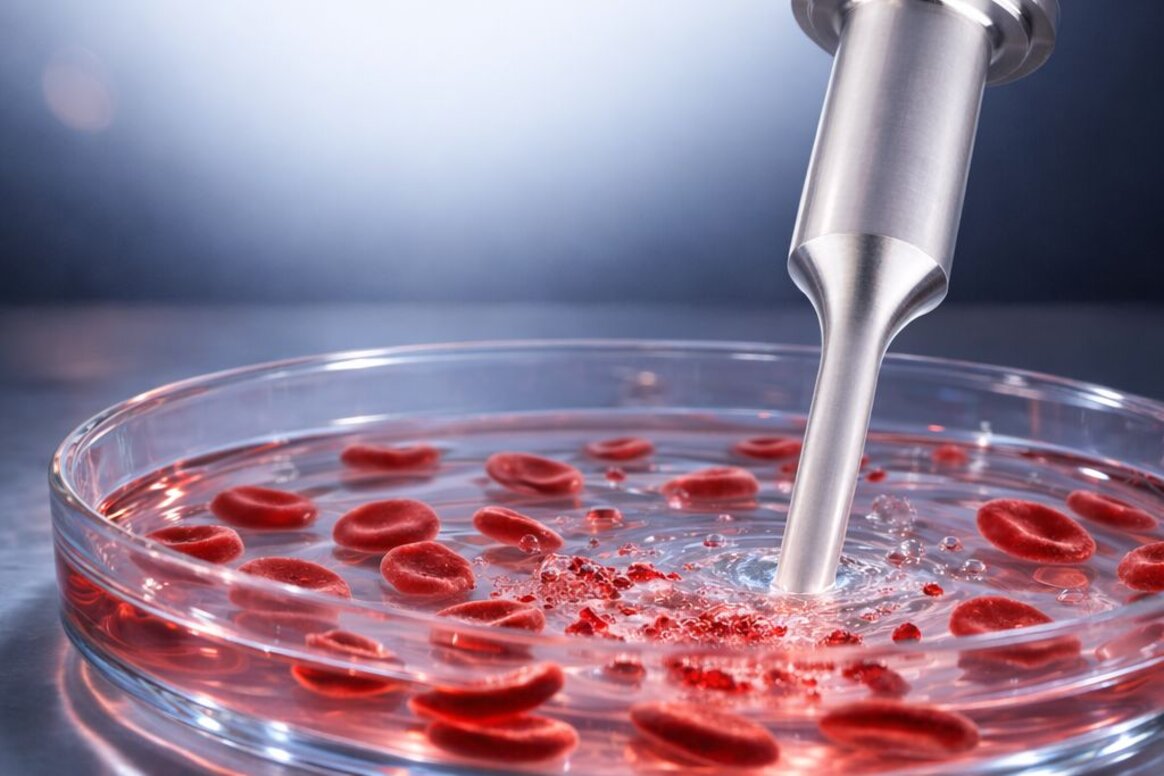
Medical technology is undergoing a profound transformation. Personalized medicine, minimally invasive treatments, point-of-care diagnostics, and robotic-assisted procedures are driving the development of compact, intelligent, and high-performing devices. Behind many of these innovations lies a technology that often remains invisible to end users but is essential for device functionality: piezoelectric technology.
Piezoelectric materials convert electrical energy into mechanical motion and vice versa. This capability enables highly precise sensing, actuation, and ultrasound generation, making piezo-based components indispensable across a growing range of medical applications.
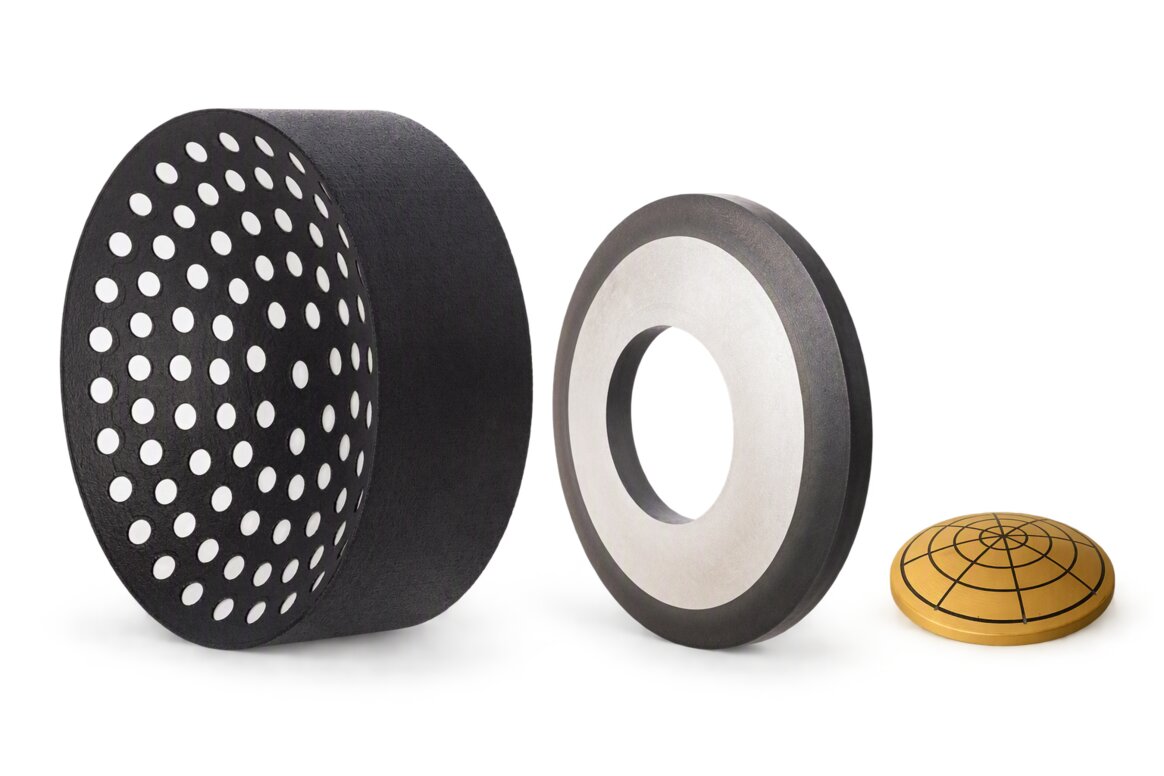
One of the most established application areas is medical ultrasound. While ultrasound imaging remains a cornerstone of modern diagnostics, the technology has evolved far beyond visualization. Ultrasonic systems are now used for therapeutic applications such as High-Intensity Focused Ultrasound (HIFU), drug delivery, and surgical instruments. HIFU is gaining momentum as a precise and non-invasive technology for targeted tissue ablation, opening new possibilities in oncology and other advanced therapeutic fields. As clinical applications expand, developers need transducers that combine high acoustic performance and reliability with compact, application-specific designs. This creates new opportunities for advanced piezoceramic materials and customized transducer concepts.
Microfluidic systems represent another rapidly growing field for piezo technology. Piezo-driven actuators and ultrasonic transducers enable precise liquid handling, droplet generation, dosing, mixing, and pumping at microscopic scales. These capabilities support lab-on-a-chip platforms, automated laboratory systems, and next-generation point-of-care devices, where accuracy and reliability must be achieved within minimal space. With healthcare moving toward decentralized diagnostics and smaller sample volumes, battery-driven piezo microfluidics can help enable faster, more efficient, and more accessible testing.
Beyond fluid handling, piezoelectric technologies support advanced life-science applications such as cell sorting, particle manipulation, sample preparation, and automated laboratory workflows. Acoustic and piezo-driven actuation can process biological samples without physical contact, supporting high throughput, reproducibility, and the gentle handling of sensitive materials.
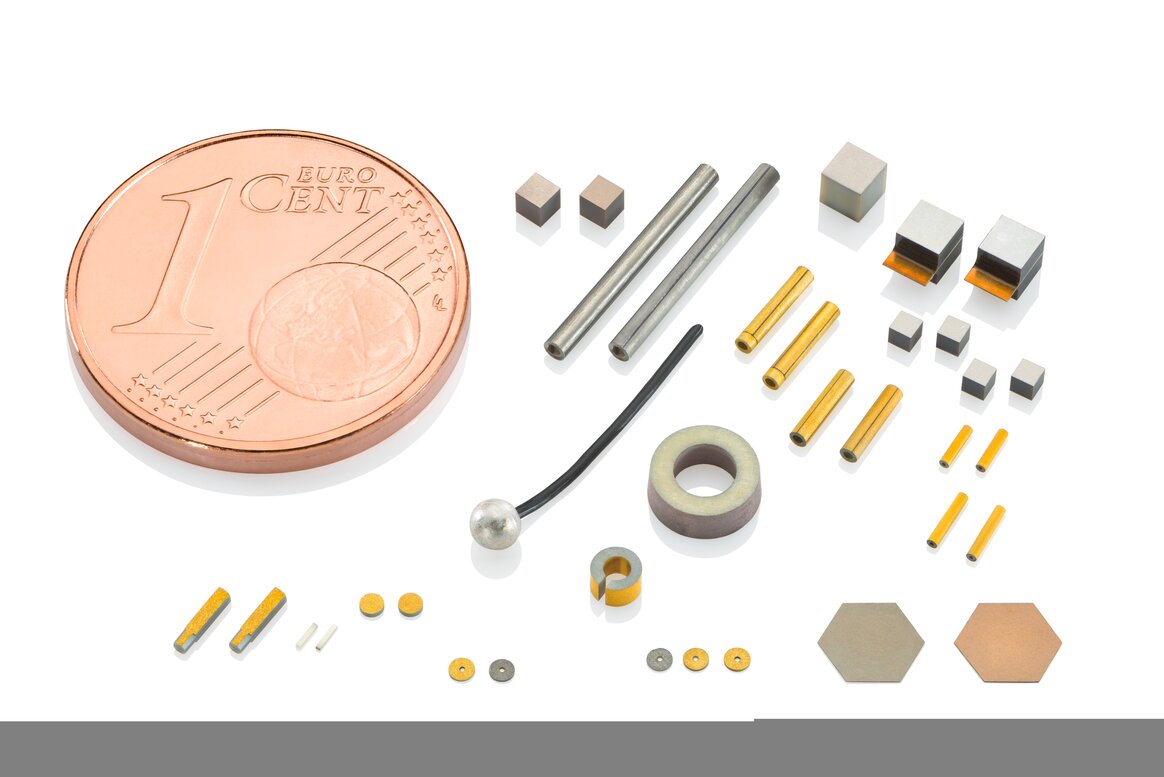
Miniaturization is a major driver of medical innovation. Portable diagnostic instruments, wearable devices, robotic surgical tools, implantable systems, and compact laboratory platforms require components that deliver high precision within extremely limited installation spaces. This places growing demands on materials, manufacturing technologies, and system integration.
For piezo-based components, miniaturization is not merely a matter of reducing size. Smaller devices must maintain or exceed existing levels of accuracy, efficiency, and reliability under demanding operating conditions. Achieving this balance requires optimized material properties, precise manufacturing processes, and close collaboration between component suppliers and device developers.
Successful development therefore depends on a deep understanding of materials, application physics, and system requirements. The choice of material, component geometry, electrode design, and integration concept directly influences the performance, reliability, and efficiency of the final device.
PI Ceramic sees growing demand for customized piezoceramic components, piezocomposites, miniaturized actuators, and application-specific ultrasonic transducers. These technologies enable advances in fields ranging from therapy and fluid management to lab automation, precision positioning, sensing, and point-of-care devices.
Looking ahead, healthcare will increasingly rely on highly specialized sensing and actuation technologies—from advanced ultrasound therapies and microfluidic systems to smarter diagnostics and treatments that adapt to individual patients, enable minimally invasive robotic procedures, and support more automated care.
The convergence of ultrasound, microfluidics, automation, and advanced data processing is creating new possibilities for medical devices that are smaller, smarter, and more connected.
Piezoelectric materials are well positioned to support these developments because they combine precision, responsiveness, reliability, and scalability within a single technology platform.
As healthcare evolves, innovation will depend on technologies that bridge sensing, motion, diagnostics, and therapy. For PI Ceramic, this means translating advances in material science and engineering into components and transducers that help shape the next generation of medical devices.