Nov 18, 2019

Plan Optik is driving connectivity to the next level


Source: Plan Optik AG
Nov 18, 2019
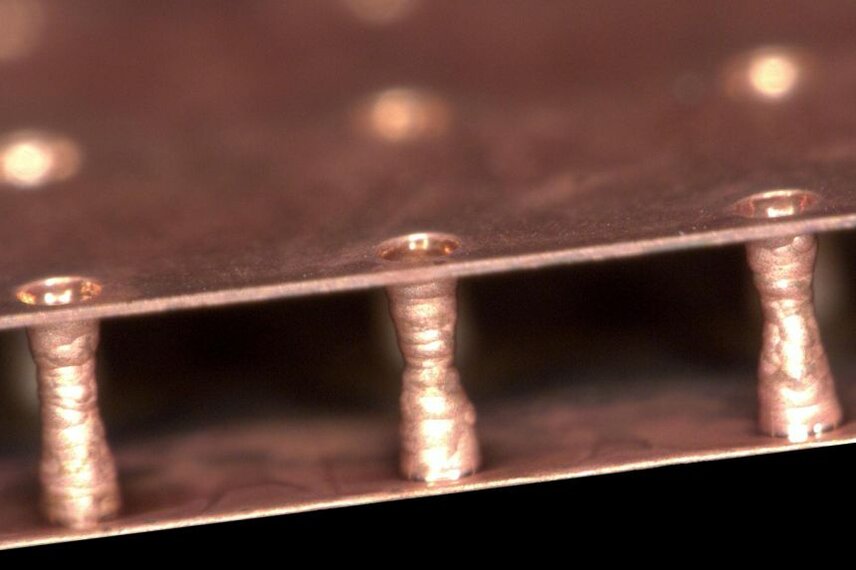
The progressive miniaturization, increasing integration density and requirements for more powerful signal routing create the need for 3D integration. Interposer technologies for rewiring have been developed for efficient communication with high transmission rates in the 3D chip stack or 3D system package. But currently there is no established solution to produce glass interposers that provides all the required properties for high-frequency applications.
 
Next generation interposers
 
Plan Optik has developed a new technology to produce glass wafers with an applied copper layer. These Interposers will be available in sizes up to 300 mm with hole diameters down to 100 µm (depending on wafer thickness). The wafer thickness ranges from 200 µm up to 1 mm. Plan Optiks Cu-interposers can be produced as a wafer, as panels or as boards. With a minimum hole distance equal to via diameter and a Cu-layer thickness starting from 1 µm, Cu-interposers are perfectly suitable for high-frequency applications like 5G broadband transmission, radar and imaging sensors or biosensors.

Contact: Markus Wagner, Plant Optik AG
m.wagner@planoptik.com

Member profile

Recommended articles

Jul 22, 2025

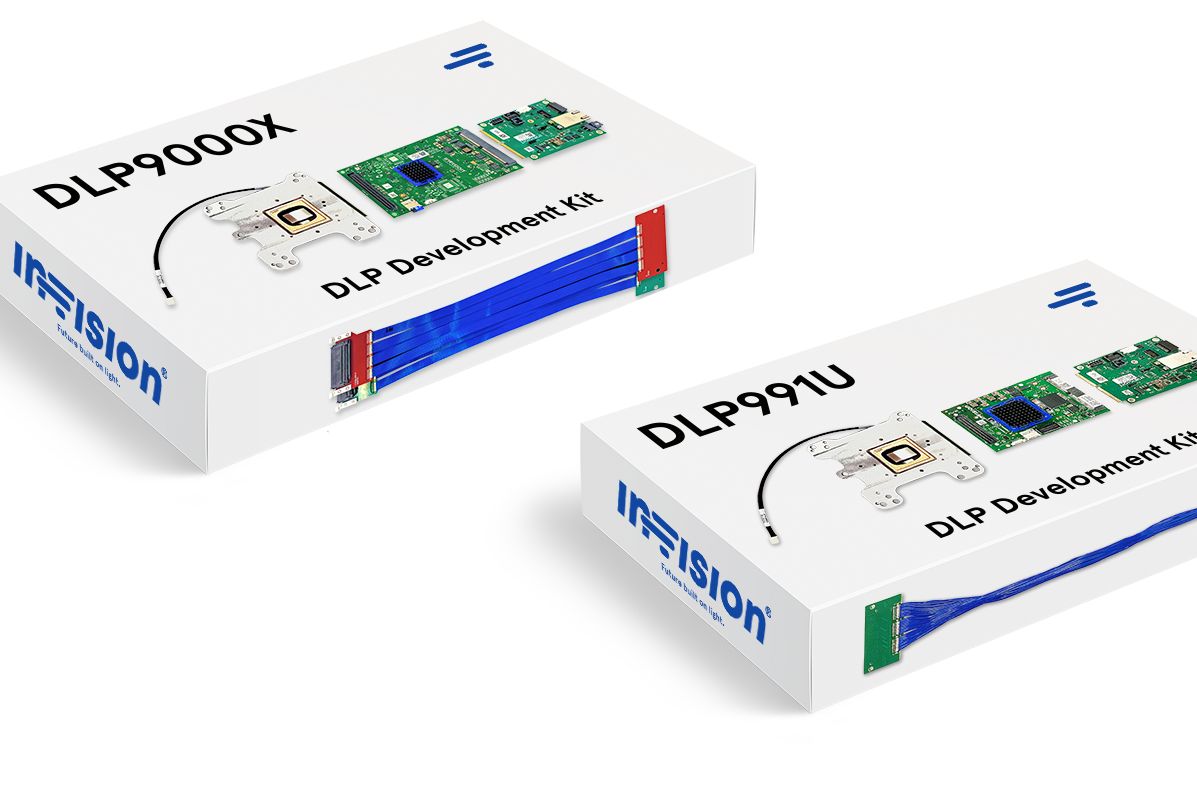
IN-VISION Technologies AG, an Austrian optics company and official Texas Instruments Design House Partner, is expanding access to its advanced …
Apr 11, 2024

The optical industry almost completely relies on mechanical processes in its process chains. This, however, could soon change. The Fraunhofer …

Nov 6, 2025

The Fraunhofer Institute for Electronic Nano Systems ENAS in Chemnitz is expanding its strategic collaborations in Southeast Asia. In October …

Recommended events

Feb 4 - 6, 2026
Discover the Future of Photonics with IVAM
Nov 16 - 19, 2026
Product Market “High-tech for Medical Devices”: A hub for high-tech solutions and medical innovations. Team up with IVAM to pave your way to trade fair success!
Sep 9 - 11, 2026
Manufacturing Processes for Medical Technology